2026-10-06
Not a Call for Replantation: 4 Reasons Your Dental Treatment Never Seems to End
The author clarifies this post does not recommend replantation, and outlines four reasons dental treatment never resolves the problem, stressing the need to find and remove the cause.
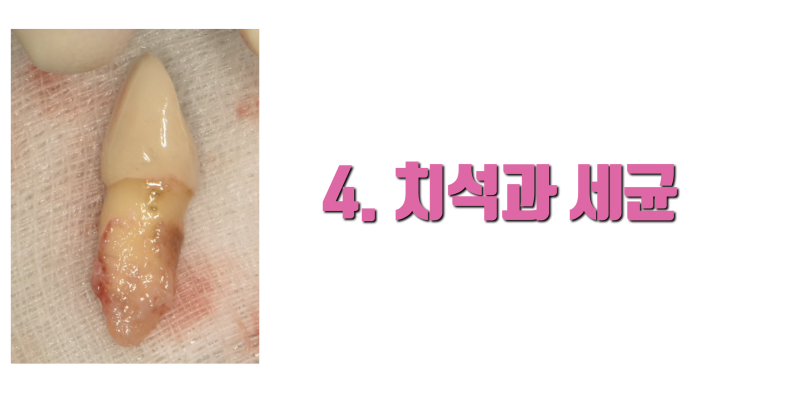
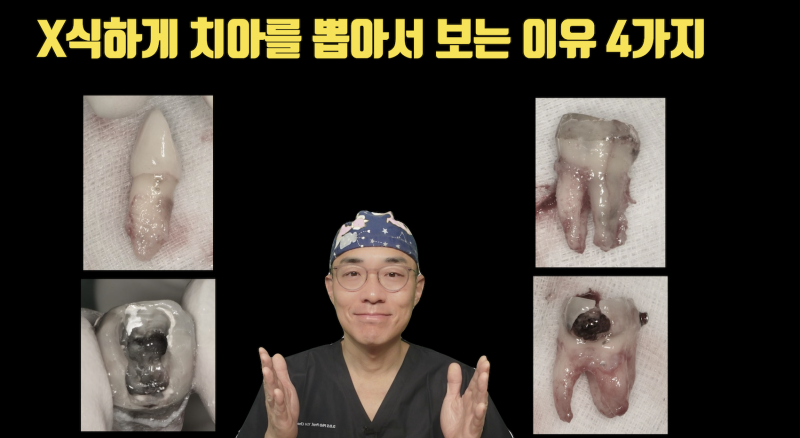
If you've been struggling with a dental problem and came across this post, you can consider yourself truly lucky.
I have seen countless damaged teeth since my days as a professor in the Department of Conservative Dentistry at Seoul National University Bundang Hospital.
Beyond that, most laypeople have no idea what condition their teeth are in,
and many dentists have no real idea what is going on inside a tooth or at its roots.
The reason is simple.
They have never seen it, and even when they have, they haven't looked at it closely.
Since the tooth is going to be extracted and thrown away anyway, they are busy preparing the next treatment rather than taking the time to figure out why this tooth never got better.
An even bigger reason is that the tooth is not removed in its intact state for analysis.
Since it will be discarded anyway, it is often pulled out in fragments,
or deliberately broken apart during removal, in most cases.
That makes it impossible to judge the tooth by its original form.
Getting back to the main point, continuing treatment without knowing the cause
is like driving without a navigation system or road signs,
while assuming you will still reach the destination you want.
I believe this is a great tragedy for both patients and dentists.
The reasons why the problem is never resolved despite endless treatment can be summarized into four.
If a tooth needs to be extracted, it will always fall under one of these four categories.
(Special-purpose treatments such as orthodontic treatment and wisdom tooth extraction are excluded.)
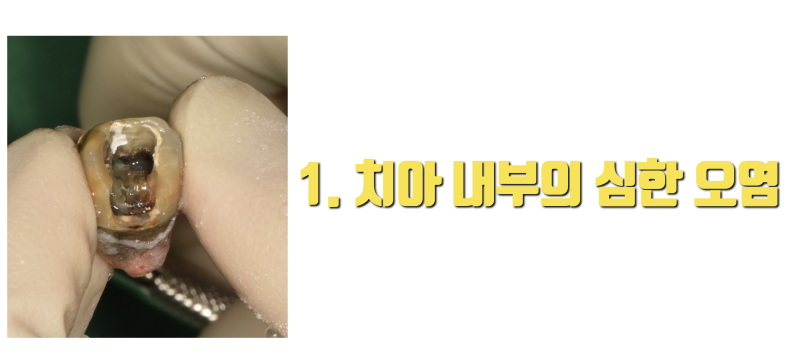
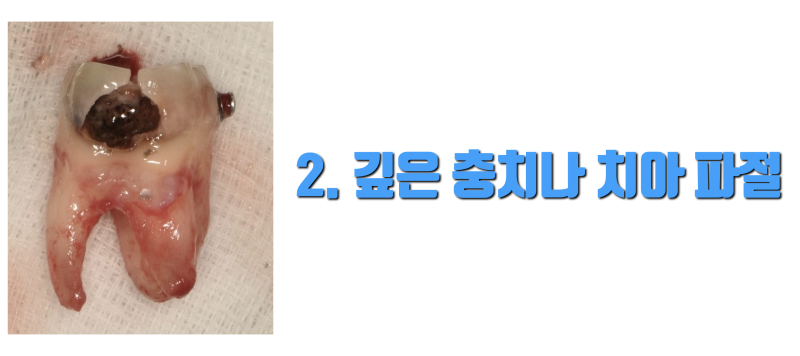
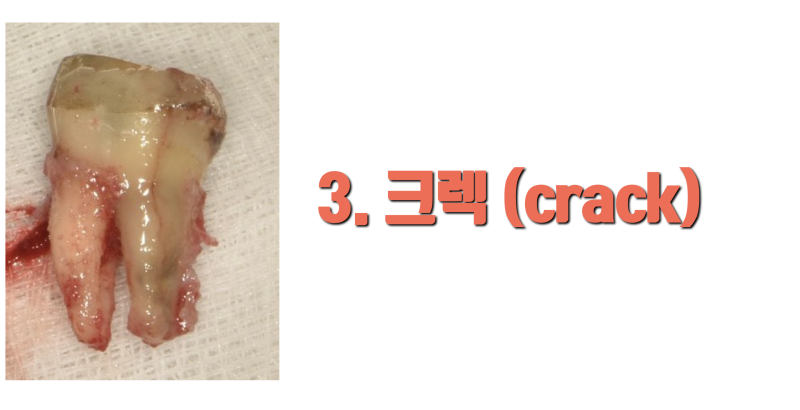
Extractions performed when none of these four problems apply are very rare.
There is an old story from harder times,
about country elders who went to big-city hospitals saying, "At least let me know the name of my illness before I die."
Even when a tooth has to be pulled, you should at least know what the problem with it was,
so you can be prepared for the next time a problem comes up.
And starting now, shouldn't you take care that the same problem doesn't develop in your other teeth?
All four teeth shown above are teeth that were saved.
The principle of dental treatment is simple.
"Find the cause of the problem and remove that cause."
That is the entirety of dental treatment.
For a detailed explanation, please refer to the YouTube video.
High-quality information like this is hard to find, no matter how much you search Naver blogs and YouTube.
Please subscribe, hit like, and enjoy.
#Replantation #DrChoiYonghun #SaveYourTooth
Frequently Asked Questions
Does this article recommend replantation?
No. The author clarifies that they are not suggesting replantation. Instead, the article explains why problems persist despite ongoing treatment and the importance of removing the underlying cause.
Why does the problem persist even after treatment?
The article summarizes the reasons a problem isn't resolved despite treatment into four. Detailed explanations of each point can be found in the YouTube video the author recommends.
Why is it hard to identify the cause from an extracted tooth?
Extracted teeth are usually broken into small pieces or deliberately fractured during removal, so it is difficult to judge them in their original form. The author explains that this is why the cause of a dental problem is hard to determine.
Is it okay to keep getting treatment without knowing the cause?
The author does not consider continuing treatment without knowing the cause to be advisable. Comparing it to driving without a navigation system or road signs, the author describes it as a great tragedy for both patients and dentists.
What is the basic principle of dental treatment?
The author explains that the basic principle of dental treatment is to find the cause of a problem and remove it. The article describes this as the entirety of dental treatment.
When does a tooth need to be extracted?
The author explains that any tooth requiring extraction falls under one of the four problems. However, special-purpose treatments such as orthodontic treatment and wisdom tooth extraction are excluded from this scope.