2026-11-11
[Saving Completely Fractured Teeth] 1-Year-3-Month Follow-Up on a Tooth Broken in Two #Replantation #FracturedTooth #DrChoiYonghoon
Dr. Choi Yong-hoon shares the 1-year-3-month follow-up of a patient in her twenties whose tooth was completely broken, saved through fractured-tooth bonding replantation. The post also covers why early treatment matters and when tooth-saving is an option.
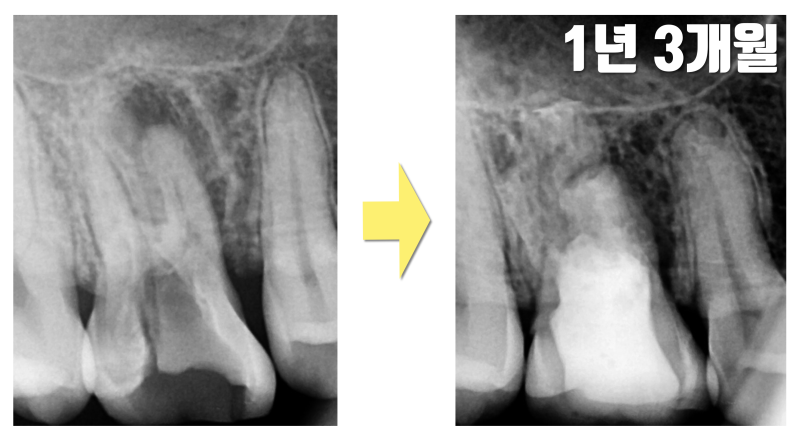
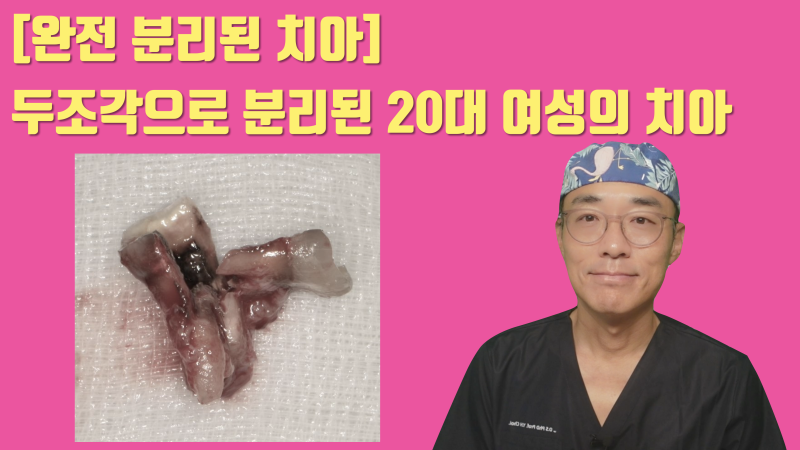
Looking back at a case this hardcore, I feel a sense of pride, but...
Wow, did I really do this? If someone asked me to do it again, would I?
I'm not complaining, though...
I'd like to take on fractured teeth, but the treatment is difficult and carries many risks.
The sooner treatment begins after a fracture, the better the results.
Unfortunately, most patients don't know this option exists and end up visiting the clinic after waiting far too long.
At least in Korea, I believe we are among the most active in treating complete tooth fractures.
As our clinic approaches its second anniversary, patients I treated earlier have started coming back for follow-up visits.
I'm glad I can share their treatment results with you.
I want to write this post so that both the general public and dental professionals can easily understand it, but I'm not sure it will come across well.
A female patient in her twenties had a broken tooth, but she didn't want an implant and wasn't comfortable with the idea.
So she lived with the broken tooth for a long time.
In the end, she was lucky in that she didn't have to agonize over the decision, but I'll explain that later...
First, because she was young and her tooth wasn't in very bad condition, I chose fractured-tooth bonding as the first-line treatment.
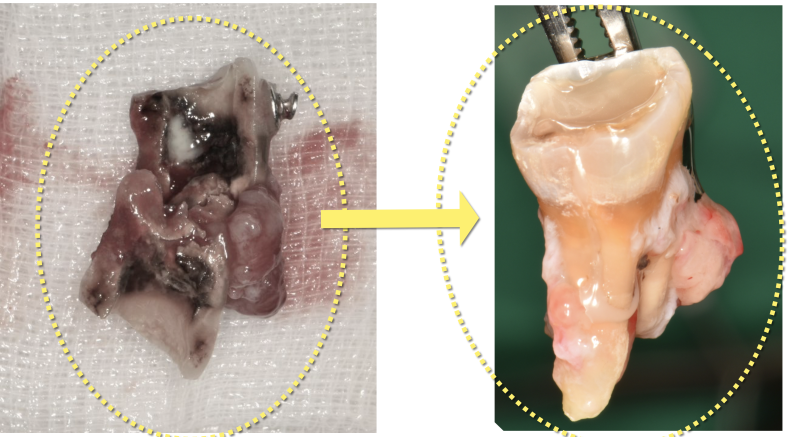

The fact that the tooth broke is already a given, so there's no need to dwell on it.
What matters most is how much periodontal ligament remains.
The sooner treatment begins after a fracture, the better the results.
This is pretty obvious if you think about it, right?
I suppose it's the difference between treating an injury right after it happens and treating a wound that has been neglected for a long time.
If you, as a layperson or dental professional, have read this far, you're probably wondering:
'Wait, you're actually bonding it back on and using it? What happens if it falls off after a short while?'
'Wouldn't it be better to just get an implant from the start?'
I'm sure some of you are thinking that. I'm not sure why people with these doubts keep coming to my blog and YouTube channel, but...
This patient is in her twenties.
Most importantly, she has as many as four healthy wisdom teeth.
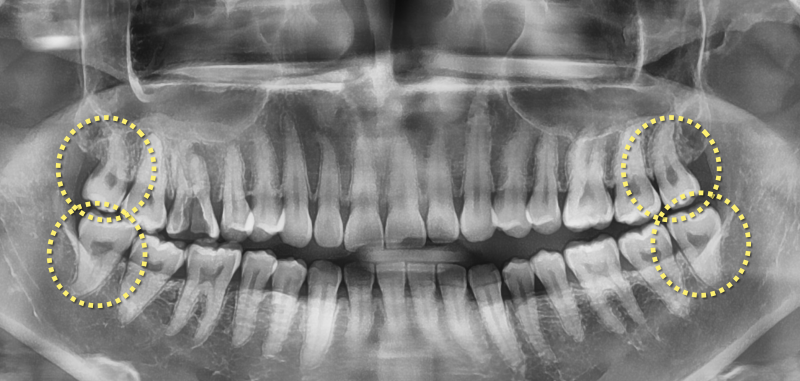
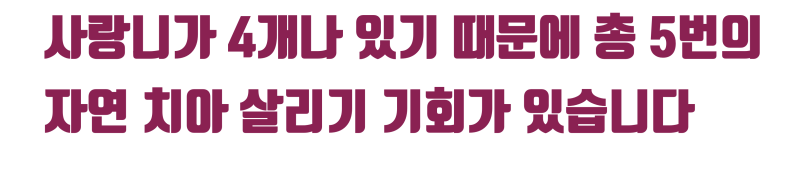
In total, there are five chances to save her natural teeth.
Once: fractured-tooth bonding replantation.
Four times: wisdom tooth transplantation.
So there are five opportunities in total to save her own teeth.
If someone still chooses an implant knowing all this, that's their call.
There's no single right answer in dental treatment. Even for the same cavity, everything from leaving it alone to extracting the tooth can be a valid approach.
If anything, this patient is in an even better position.
With four healthy wisdom teeth in the back, the replantation can be done with less pressure.
I'll skip the complicated intermediate treatment steps...
The results have been good, and the patient is satisfied and using the tooth, so I'm happy to be writing this post.
For dental professionals, the thumbnail alone, showing the completely broken tooth and the X-ray at 1 year and 3 months,
is probably enough to make them nod in agreement.
Some people may find this kind of treatment impossible to accept and may look down on it.
What I want to say is this:
When a patient wants to save their own body part, a tooth, is it really right for a doctor to shut them down and simply say no?
Fractured-tooth treatment has been performed successfully in Japan since the 1980s.
The most important point is this:
Thanks to these courageous patients, the know-how and skills we've built up by treating such difficult, almost hopeless teeth
are all put to use when we treat your teeth.
To put it a bit dramatically, thanks to patients like these, tooth-saving techniques keep advancing,
and those benefits flow straight back to ordinary patients like you.
I, too, am learning, growing, and gaining experience firsthand through cases like these.
I'll keep sharing fractured-tooth bonding cases and other seemingly unbelievable tooth-saving cases.
That's all for now.
In Korea, implants are the standard treatment.
Saving a tooth is not a simple or easy treatment.
Also, once a tooth passes a certain threshold, it can no longer be saved.
Cases with multiple missing teeth or multiple loose teeth make the kind of tooth-saving treatment I do difficult.
I'd recommend watching my blog and YouTube channel thoroughly and checking whether you fall into any of these categories.
Dr. Choi Yong-hoon's clinic introduction video: https://www.youtube.com/watch?v=YCiCJLrG1J8
#CrackedTooth #Replantation #ToothReplantation #FracturedToothReplantation #PeriodontalDiseaseReplantation #DrChoiYonghoon #ToothSaving
Frequently Asked Questions
Can a completely broken tooth be saved?
In some cases, it is possible, depending on the condition of the tooth. The post describes treating a completely broken tooth belonging to a patient in her twenties with fractured-tooth bonding replantation, and reports that the patient is using the tooth 1 year and 3 months after treatment.
When is the best time to get a fractured tooth treated?
The post explains that the sooner treatment begins after a fracture, the better the outcome. The author notes that most patients don't know this kind of treatment exists and wait too long before visiting the clinic.
What is the key criterion for fractured tooth replantation?
The post explains that the amount of remaining periodontal ligament is the most important factor. This case also chose bonding as the first-line option because the patient was young and the tooth was not in very poor condition.
Is it okay to choose tooth-saving treatment instead of an implant?
The author explains that there is no single right answer in dental treatment, so depending on the situation, tooth-saving treatment can be a valid option. The author also points out that implants are the standard treatment in Korea.
When is tooth-saving treatment difficult?
The post states that tooth-saving treatment is difficult when multiple teeth are missing or multiple teeth are loose. It also explains that a tooth cannot be saved once it passes a certain threshold, and recommends checking whether you fall into these categories.