2026-09-30
Why Dentists Give Different Opinions for the Same Cavity and How to Solve It
Understand why dentists provide conflicting treatment plans for the same cavity by learning the key difference between reversible and irreversible pulpitis.
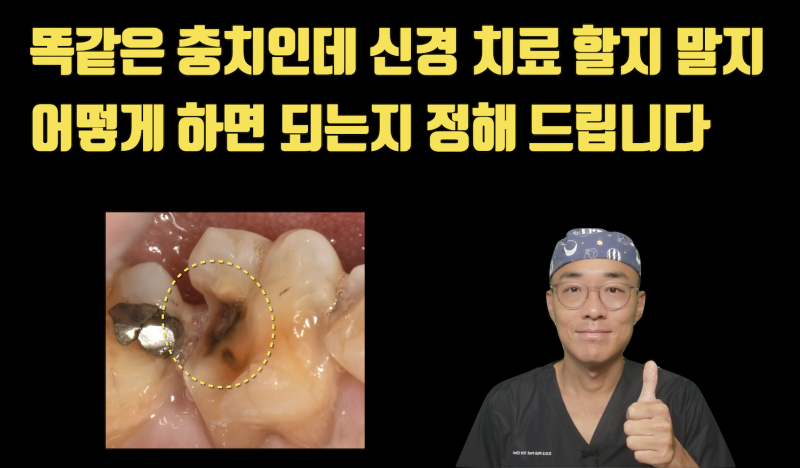
Many patients get confused when they visit different dental clinics for the exact same cavity and hear conflicting advice:
"You need root canal therapy and a crown."
"I don't think you need a root canal yet."
It is natural to worry when recommendations vary so widely from clinic to clinic.
However, this is completely normal in dentistry:
While a diagnosis has a definitive answer, treatment plans (methods) can vary.
This is entirely natural.
The chosen treatment depends heavily on each dentist's clinical experience, philosophy, and personal technical expertise.
However, one fundamental principle never changes:
If you are currently experiencing a toothache, your tooth falls into one of the following two categories:
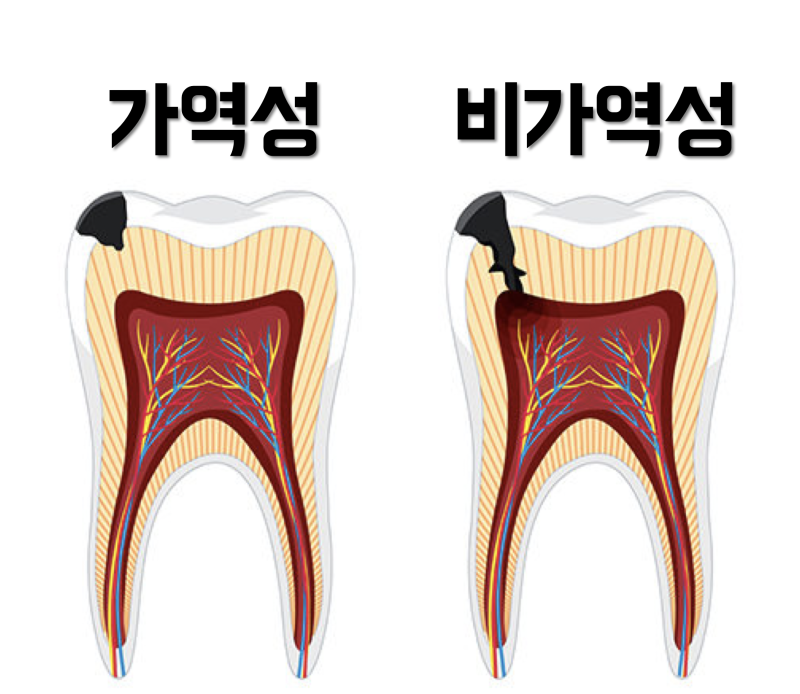
Namely, Reversible Pulpitis vs. Irreversible Pulpitis.
Barring exceptional cases (such as periodontal disease), any tooth pain invariably belongs to one of these two.
Reversible literally means it can return to normal.
Once the cause of the toothache is removed, the nerve recovers, meaning root canal treatment is unnecessary.
Irreversible means there is no turning back.
Regardless of whether MTA is applied or what procedure is attempted, once the nerve crosses the threshold into irreversibility,
root canal treatment or an equivalent procedure is unavoidable.
This is the most critical and foundational truth in dentistry.
Therefore, if your condition is reversible, you do not need a root canal;
if it is irreversible, you must undergo a root canal or equivalent intervention.
Sounds simple, right?
Why, then, is this so complicated in actual practice?
A tooth sitting right on the borderline between reversible and irreversible is exceedingly difficult to diagnose.
Even if it is reversible, if the toothache originates from a crack, preemptive root canal therapy may be necessary.
When tooth decay or a crack extends very close to the dental pulp, it becomes a delicate balancing act, making it challenging for a dentist
to definitively state whether it is strictly reversible or irreversible.
Think of it as a glass filled to the absolute brim with water, on the verge of overflowing.
Consequently, dentists who have experienced complications after attempting to avoid root canal treatment on such borderline cases
are much more likely to recommend preemptive root canal therapy.
This is largely due to the fear of patient complaints and blame if an attempt to preserve the nerve fails.
In my case, as long as there is a viable chance, I make every effort to avoid root canal therapy
by employing selective caries removal along with a specialized pre-treatment agent imported from Japan that promotes dentin regeneration.
However, even this method is ineffective once the tooth transitions into irreversible pulpitis.
Lately, there have been attempts to manage irreversible pulpitis without performing a root canal.
While such approaches might show promise in reversible cases (which I personally consider bordering on overtreatment),
attempting this on irreversible pulpitis risks pulp necrosis, leading to far more serious complications.
Reversible and irreversible pulpitis are like East and West, North and South poles, or positive and negative charges—they must never be conflated,
and this distinction remains an unalterable, foundational tenet of dentistry.
In any case, detecting the issue early while it is still reversible pulpitis is the best way for you to avoid root canal treatment.
When a tooth is neglected until it reaches the brink of irreversible damage, trying to avoid a root canal causes even me sleepless nights filled with concern.
Please refer to the video for a more detailed explanation.
Our clinic focuses primarily on saving compromised teeth that have been recommended for extraction.
Please understand that we do not handle routine dental treatments or basic check-ups.

#CrackedTooth #FracturedTooth #ToothReplantation #DrYonghoonChoi #SavingNaturalTeeth #WisdomToothAutotransplantation #ToothRegeneration
Frequently Asked Questions
Why do different dentists give conflicting recommendations for the same cavity regarding root canals?
This discrepancy stems from differences in clinical experience, treatment philosophies, and how borderline cases between reversible and irreversible pulpitis are assessed. When decay is near the nerve, making a definitive distinction is difficult, leading risk-averse dentists to recommend preemptive root canals.
Can reversible pulpitis heal without root canal therapy?
Yes, reversible pulpitis can recover without root canal treatment. Because reversible means the pulp can return to a healthy state once the underlying cause is addressed, non-invasive treatments that remove the decay while preserving the tooth structure are prioritized.
Can irreversible pulpitis be treated without a root canal?
No, irreversible pulpitis inevitably requires root canal therapy or an equivalent procedure. Once the dental pulp crosses into an irreversible state, it cannot regenerate, and improperly delaying root canal therapy can lead to pulp necrosis and severe complications.
Is root canal therapy necessary if a tooth has a crack?
Yes, pain caused by a cracked tooth may warrant preemptive root canal treatment depending on severity. Even if the pulpitis seems reversible, an underlying fracture line may necessitate proactive endodontic care to prevent further bacterial invasion and nerve damage.
Can I book an appointment for general cavity check-ups or simple procedures?
No, our clinic does not provide basic dental treatments or routine examinations. We specialize exclusively in advanced tooth-preservation treatments, such as intentional replantation and autotransplantation of wisdom teeth for teeth previously diagnosed for extraction.